The use of language has been an interesting topic, ever since a mentor of mine pulled me aside, and told me I used a lot of negative words during a talk. I listened and made deliberate changes to how I use language. Following 2016 elections I’ve been more and more interested in how people in power use words, especially witnessing the rise of dog-whistling lately. Consider this headline below on opioids
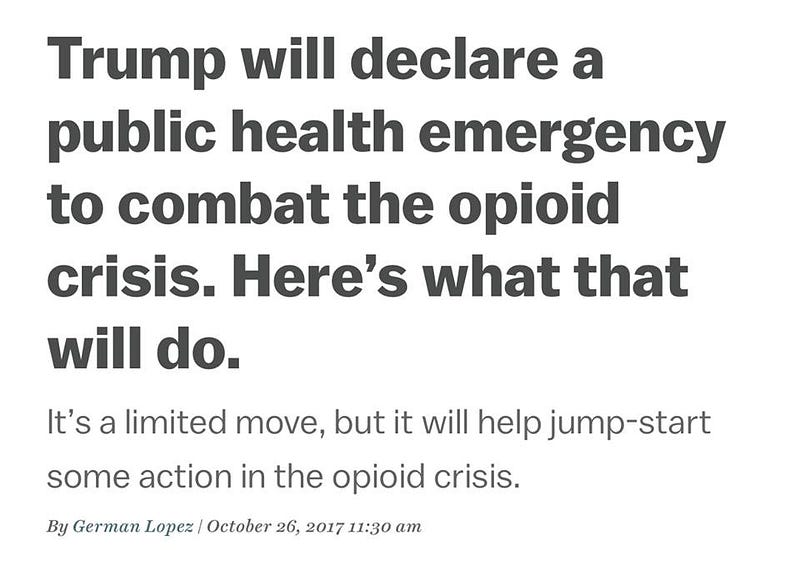
The same administration that declared its intention to revive the “war on drugs” is calling the opioid epidemic a “health crisis.” Lest you think this is a partisan thing, consider how an ACLU spokesperson frames the War on Drugs using marginalizing negative language that associates drug use with violence.
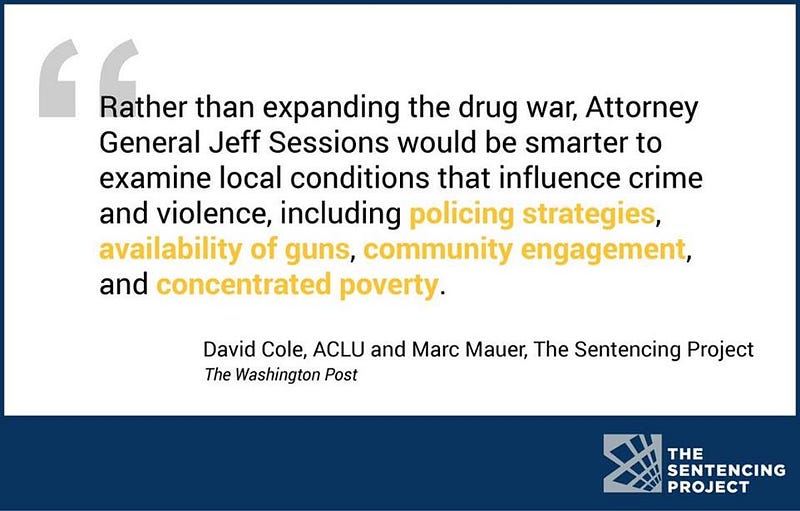
This type of drug use is not framed as a“public health crisis,” but instead, a crime issue. Almost makes you wonder if opiod crime is a non-issue. This 1989 study found that “heavy opioid users committed crimes significantly more frequently than did moderate opioid users, non-opioid poly drug users, cannabis users or alcohol users.”
It goes on clarify:
“ It is concluded that need for opioids did not simply cause crime. Rather, crime and opioid use tended to influence each other. However, this relationship was not special to opioids but, depending on historical circumstances, could — and to some extent does — apply to any drug.”
Except no one is talking about war/crime/poverty/guns in the same context as opioids.
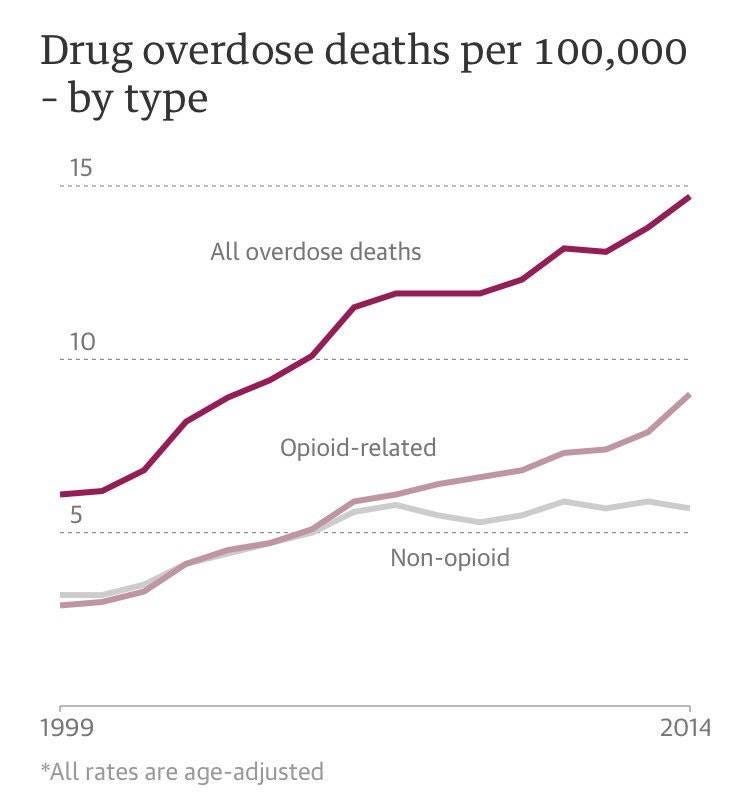
Overdose is overdose, and illegal is illegal → but one approach will target a primarily urban population, mostly PoC, through criminalization, the other will help a mostly suburban population, majority white, through medical intervention. And the language being used affects how people respond to this type of injustice.
The language of violence
More than ever, how we use language matters. Even reporting on children born with substance addiction could have profound effects for future generations. In contrast to the opioid epidemic, the 1980’s had a very fatalistic tone regarding mother and child, with predictions on the “future criminality of crack babies and the culpability of their mothers [leading] to politics and policies that incarcerated those children and their mothers.”
We could argue we have progressed since the 80’s, and yet the same “War on Drugs” has returned, and unlike the “Opiod Epidemic,” police continue to be at the forefront of this war, not doctors. Even though none of the predictions for future crimes came true, some addicts will be treated as criminals.
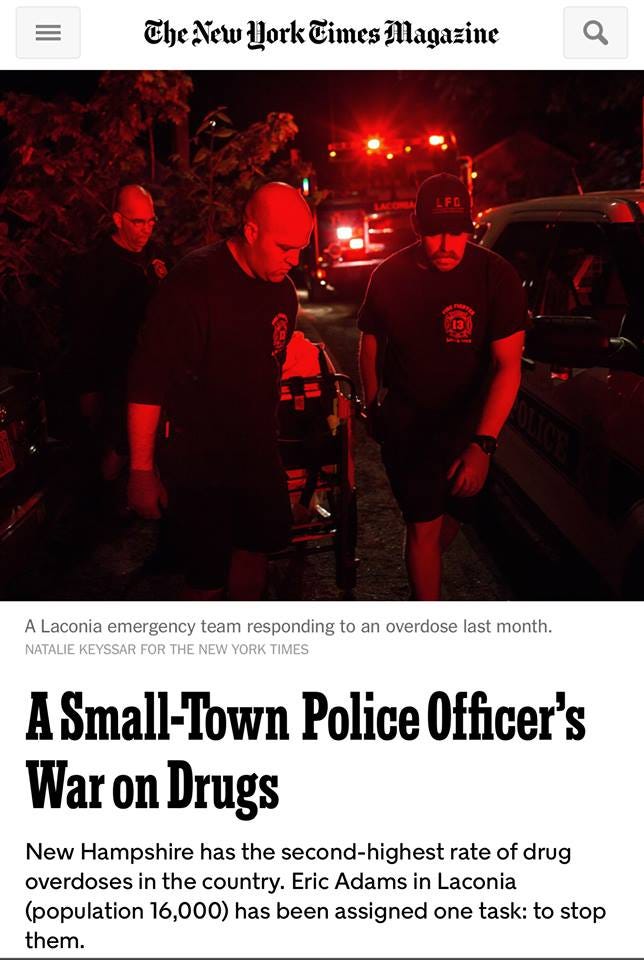
Whether it’s saying undocumented people vs illegal aliens, or mental health vs mental illness, or thug vs protester… language should first recognize each person’s humanity. Saying “person who commited a crime” versus a “criminal” can have profound effects on how we view the criminal justice system. We may be led to believe there’s no hope for the latter, lock them up, and throw away the key. Perhaps accept rougher treatment or even death while in custody.
We may dismiss it as semantics, but the evidence shows that our use of language can prime us to how we respond to a situation. We shouldn’t only demand this from our politicians or media: we must be aware of how our language affects those around us… be it a friend or neighbor, voters, because their vote and associations can mould popular opinion, influencing decisions on laws and policies that police /schools / healthcare follow, affect the people living in our communities. If we allow those around us to uselanguage that dehumanizes people, humanity will continue to live the consequences of how we treated one another, because our children will use language that perpetuates violence and prejudice.
Conclusion
Let us be more deliberate in our language for the sake of people, humans, who will continue to suffer the consequences of neglect and violence, tolerated in part caused by our use of negative and/or criminalizing language.
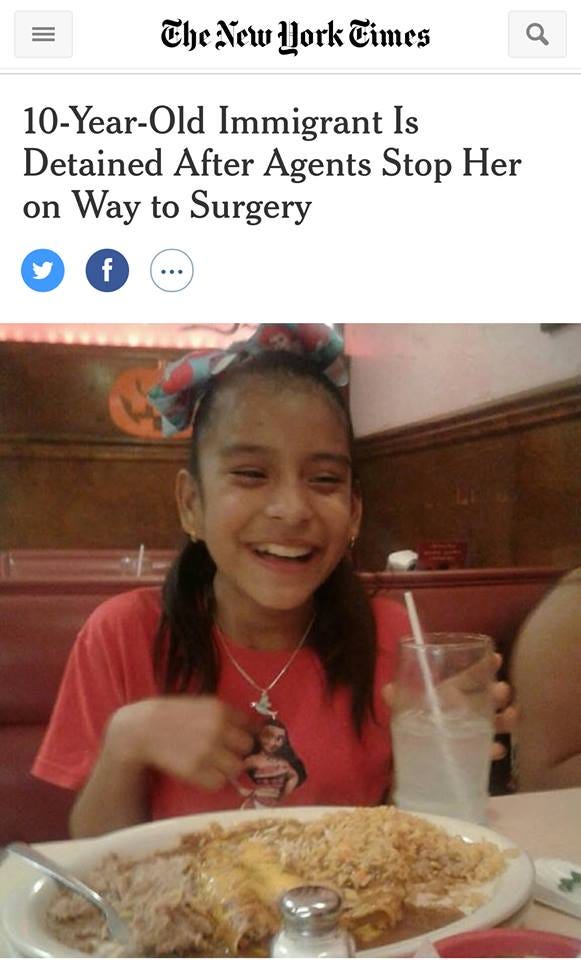
Because tonight there’s a post-op little girl sitting in an immigration detention center separated from her parents. Perhaps the circumstances of how she was detained would have been different if words used to describe her status were not criminalizing.
 Fernanda Foertter
Leave a comment